
04B: Venice and the Spice Trade
Venice, Genoa, Pisa: dominated medieval European spice trade
- How did the spice trade work from the perspective of Venice?
- How did it affect political development?
- How was it connected to luxury trade? To other types of food trade?
- What were the main changes over time?
Venice in early Middle Ages
- Post-classical: Romans fleeing Germanic invasions in lagoon
- San Giacomo di Rialto founded 421; first doge 697
- Part of Ostrogothic Kingdom
- Exarchate of Ravenna
- Carolingians: invasions failed, remained Byzantine, recognition of trading rights in region
Venice and early trade 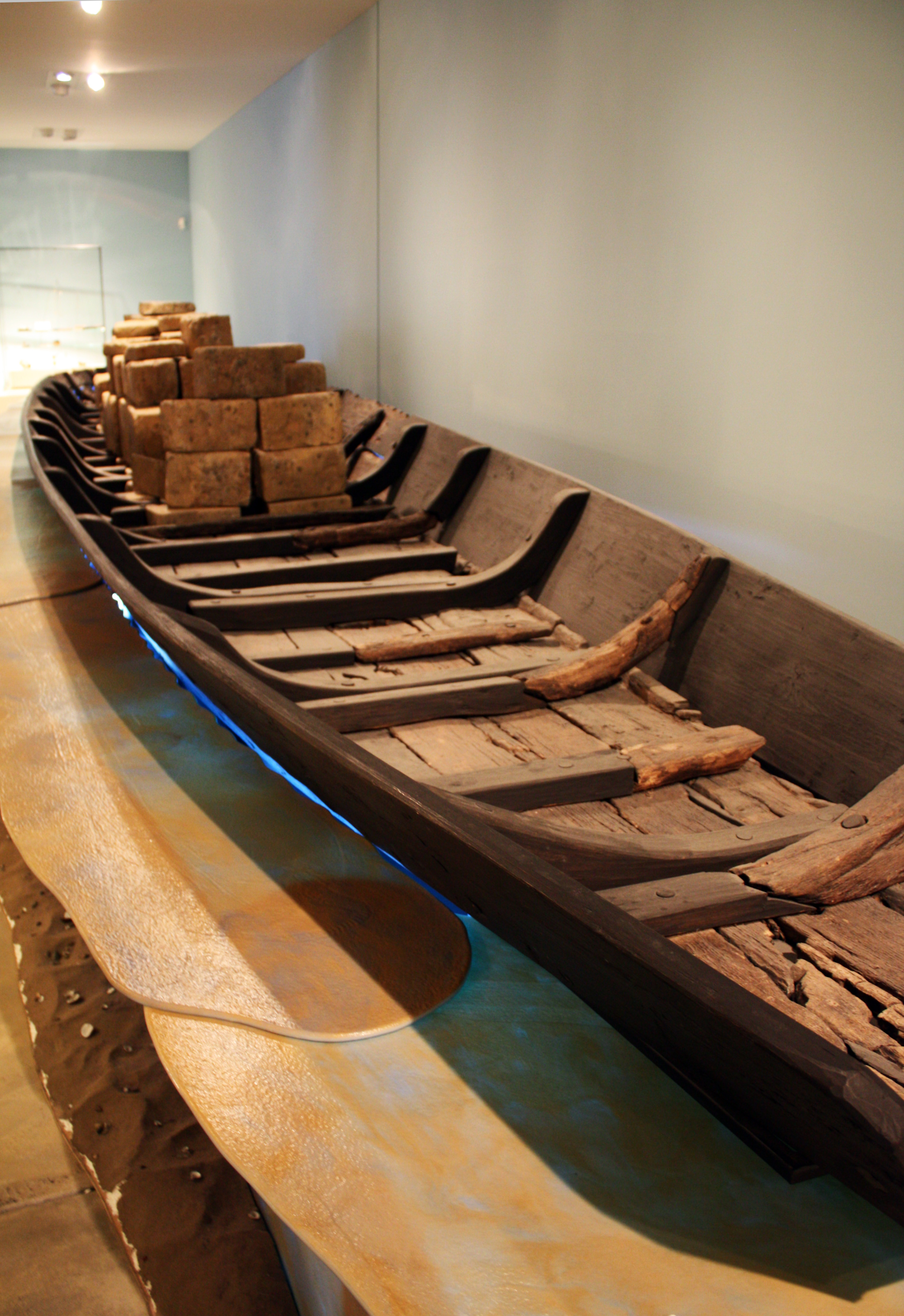
Po: salt (from lagoon) and Byzantine goods (brought to Venice) upstream; grain on return (image: Rhine barge from 8th c, found Kalkar-Niedermörhmter)
Carolingian era: Venetians move into Adriatic trade
- basic route: from Po: lumber, grain to E. Adriatic ports: slaves to N Africa; cash to Constantinople for luxury goods to Venice
- 828: relics of Mark the Evangelist from Alexandria to Venice
- Rialto the market center, city granary; shipbuilding, ropemaking (tana) moved
10th c: patrolling N. Adriatic for pirates in name of Byzantines
dominating rival cities (boycotts, conquest)
regional powers: HRE, Byzantium; plus Slavs, Magyars
11th c:
- selling ships to others
- defense of lower Adriatic against Normans
Crusades (1095+)
Council of Clermont: Urban II, request from Alexius II Comnenus 

- County of Edessa (1098-1150)
- Principality of Antioch (1098-1268)
- County of Tripoli (1102-1289)
- Kingdom of Jerusalem (1099-1291)
Venice: maintain, increase port interests
ports of Jaffa, Haifa
Other issues: Hungarians, Normans
1204 Fourth Crusade: Capture of Constantinople for Venice (until 1261)
14th c innovations
- Technology
- compass
- portolan charts
- Ships: from round ship to cogs, merchant galleys
- Pilgrims arrive in Jaffa on a galley, Bernard von Breidenbach, 1490


- Routes: from Bruges to Tana
- Insurance; bills of exchange
- Venetian manufacture: silk; glass; soap; dyes, saltpeter; paper; tile, rope

15th century changes
breakup of Mongol empire: Tana too unstable; alternate routes
Portuguese enter trade competition, including violence wrt India, Red Sea trade
1470 changes in sugar production: Madeira Islands
1492 Columbus (Genoan supported by Spain)
Rival products: cochineal (New World) vs kermes (Crete) red dye
Venice diversifies production on terrafirma holdings: corn